
Road safety products for distributors, contractors and government projects
WhatsApp: 008618662728327Language:
 English
Road safety products for distributors, contractors and government projects
WhatsApp: 008618662728327Language:
English
When sourcing traffic cones, a low quotation can be attractive, particularly for distributors competing in price-sensitive markets. However, the unit price alone does not reveal the complete product quality. Differences in material formulation, manufacturing processes, base design, and quality control can affect flexibility, color stability, and long-term performance.
For importers and wholesalers, understanding common quality risks can help prevent costly problems after delivery.
Lightweight traffic cones may be easier to transport and handle, but they can be more susceptible to displacement under certain wind and traffic conditions.
The actual risk depends on cone height, base dimensions, weight distribution, and placement.
Buyers should compare the actual weight and dimensions of each model instead of relying on product photographs or general descriptions.
A suitable product should balance stability with the practical needs of workers who repeatedly deploy and collect cones.
Traffic cones used outdoors are exposed to sunlight and changing weather conditions.
Some products may lose color intensity or experience material degradation after prolonged UV exposure.
When sourcing cones for outdoor applications, buyers should ask about:
Material formulation
UV-resistant options
Relevant weathering test results
Color consistency between production batches
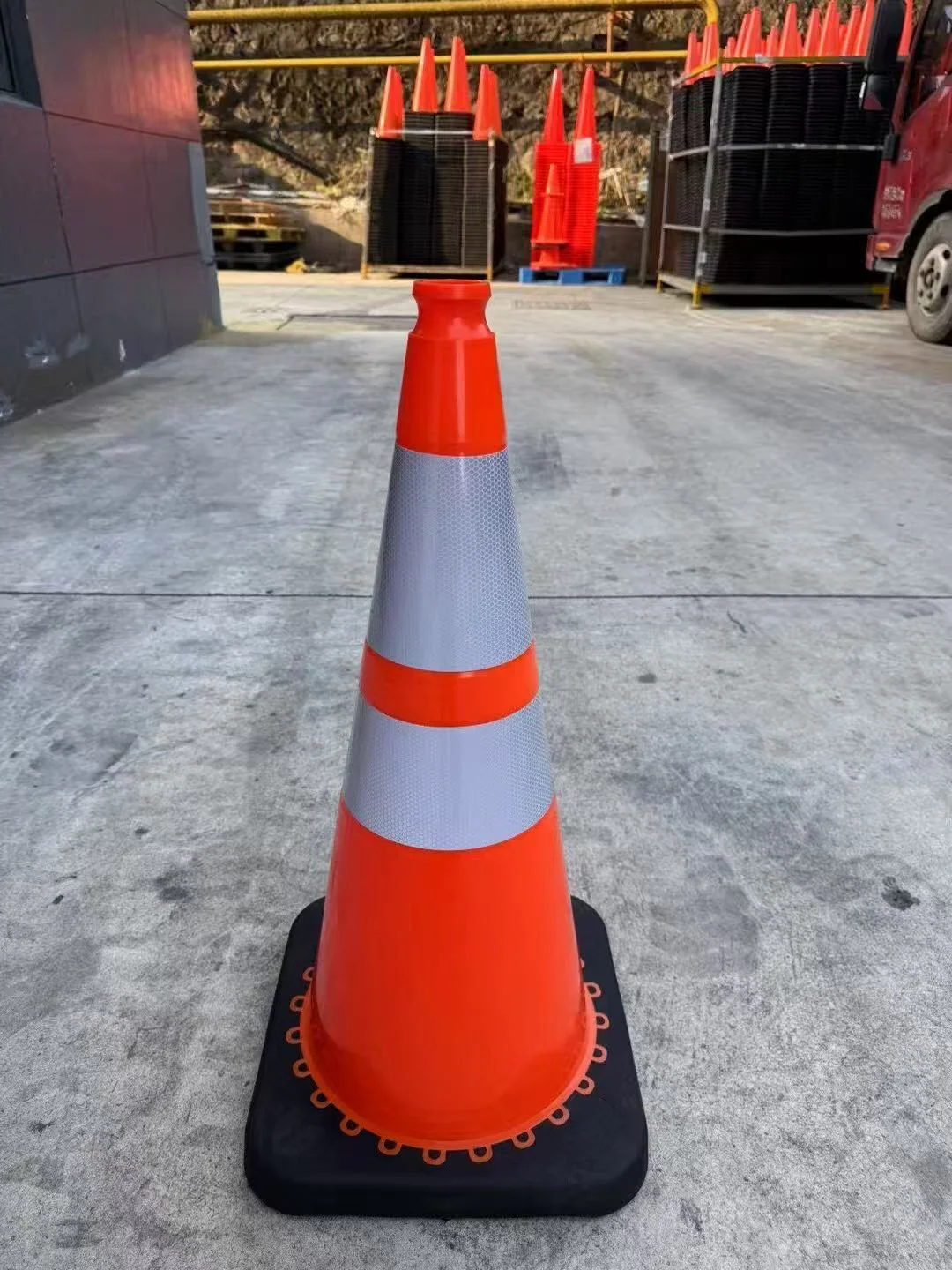
Reflective sheeting durability
A claim of UV resistance should ideally be supported by documented test conditions and results.
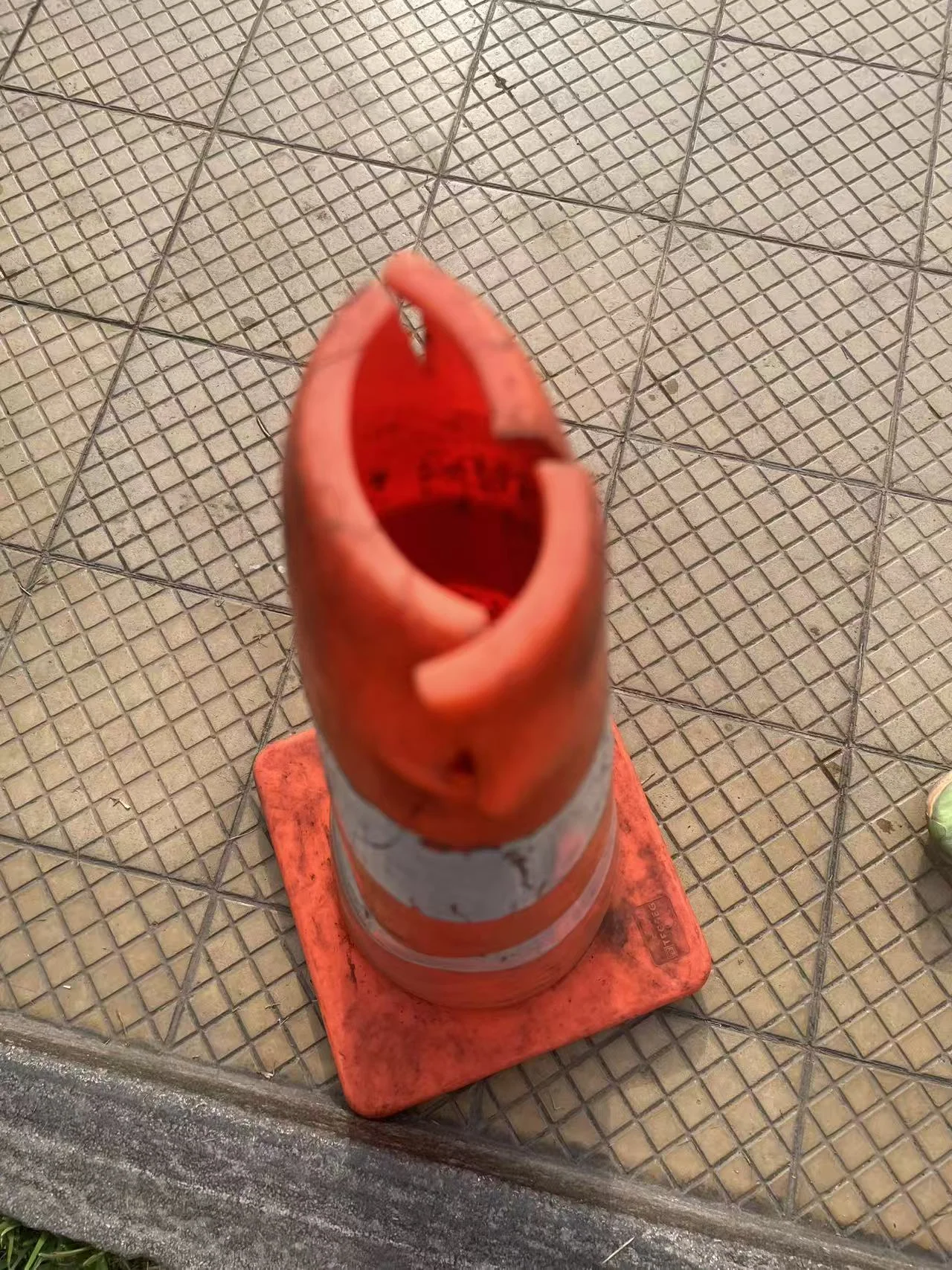
Traffic cones may bend during handling, accidental impact, or vehicle contact.
A product with poor recovery may remain deformed instead of returning toward its original shape.
This can be associated with several factors, including material formulation, processing conditions, product design, and environmental exposure.
To compare suppliers, buyers should evaluate bending recovery using the same test method and agreed acceptance criteria.
Material flexibility can change with temperature.
Some traffic cone formulations may become less flexible at low temperatures, increasing the risk of cracking during impact or bending.
For products intended for regions with significant temperature variation, buyers should consider:
Expected operating temperature
Material flexibility
Low-temperature impact performance
Relevant test results
A product should be evaluated against the conditions in which it will actually be used.
Elevated temperatures can affect the shape retention of some traffic cone materials.
A cone that becomes excessively soft may struggle to maintain its intended upright shape.
Before placing a large order for a hot climate, ask the supplier whether the product has been evaluated at a relevant operating temperature.
Testing should specify temperature, exposure time, and the required condition after testing.
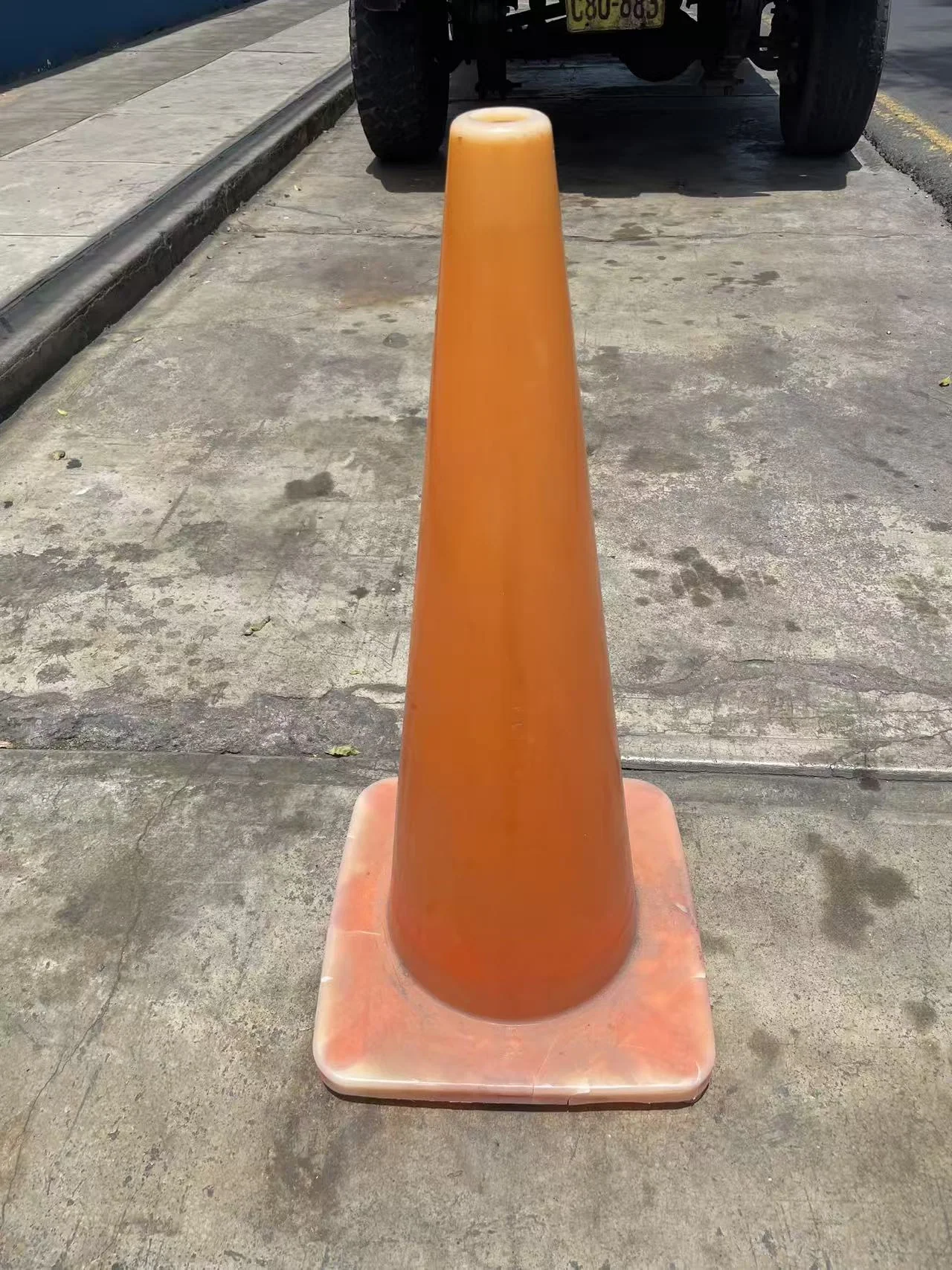
An oily surface on a traffic cone may indicate plasticizer migration or another formulation or processing issue.
However, appearance alone cannot establish the exact cause.
Buyers should document the affected area, storage conditions, temperature exposure, and product batch, then request an investigation from the supplier.
Surface changes should be treated as a reason for inspection and verification rather than as conclusive proof of a particular material defect.
Some traffic cones develop white marks or permanent creases after bending or folding, particularly in areas experiencing high deformation.
These changes may be associated with material stress, formulation, processing, or the way the product was deformed.
Excessive or unsuitable use of mineral fillers, such as calcium carbonate, may contribute to reduced flexibility or recovery in some formulations. However, calcium carbonate is not inherently defective, and the actual effect depends on the complete formulation and manufacturing process.
For importers, the most reliable approach is to compare samples and evaluate bending recovery under consistent conditions.
Before approving a bulk order, consider the following checks:
| Inspection Item | What to Verify |
|---|---|
| Weight and dimensions | Confirm consistency with the approved specification |
| Color | Check appearance and batch consistency |
| Surface condition | Look for unusual oiliness, cracks, or visible defects |
| Bending recovery | Use an agreed deformation and recovery test |
| Low-temperature performance | Evaluate if required by the application |
| UV resistance | Review relevant weathering test information |
| Reflective components | Check configuration and adhesion |
| Packaging | Inspect product protection and packing consistency |
Testing should be performed using documented methods and acceptance criteria appropriate to the product's intended use.
Two products may look similar in photographs but behave differently during use.
A sample evaluation helps buyers check actual weight, dimensions, flexibility, surface condition, and other relevant characteristics before committing to a large shipment.
For repeat orders, keeping an approved reference sample and agreed specification can also help maintain consistency.
The lowest-priced traffic cone is not necessarily the most economical choice.
For importers, the better approach is to compare specifications, inspect samples, and verify relevant performance claims before placing bulk orders.
Etonda works with international traffic safety buyers. Contact our team to discuss your required cone specifications, target market, and quality inspection requirements.
Potential problems include color fading, poor bending recovery, cracking, loss of shape at elevated temperatures, surface changes, and permanent creases.
No. Its effect depends on the complete material formulation, filler proportion, processing conditions, and product design. Performance should be evaluated through appropriate testing.
Inspect samples, verify dimensions and weight, evaluate bending recovery, and request relevant environmental performance information.
Temperature can affect material flexibility and shape retention. Testing should reflect the intended operating environment.
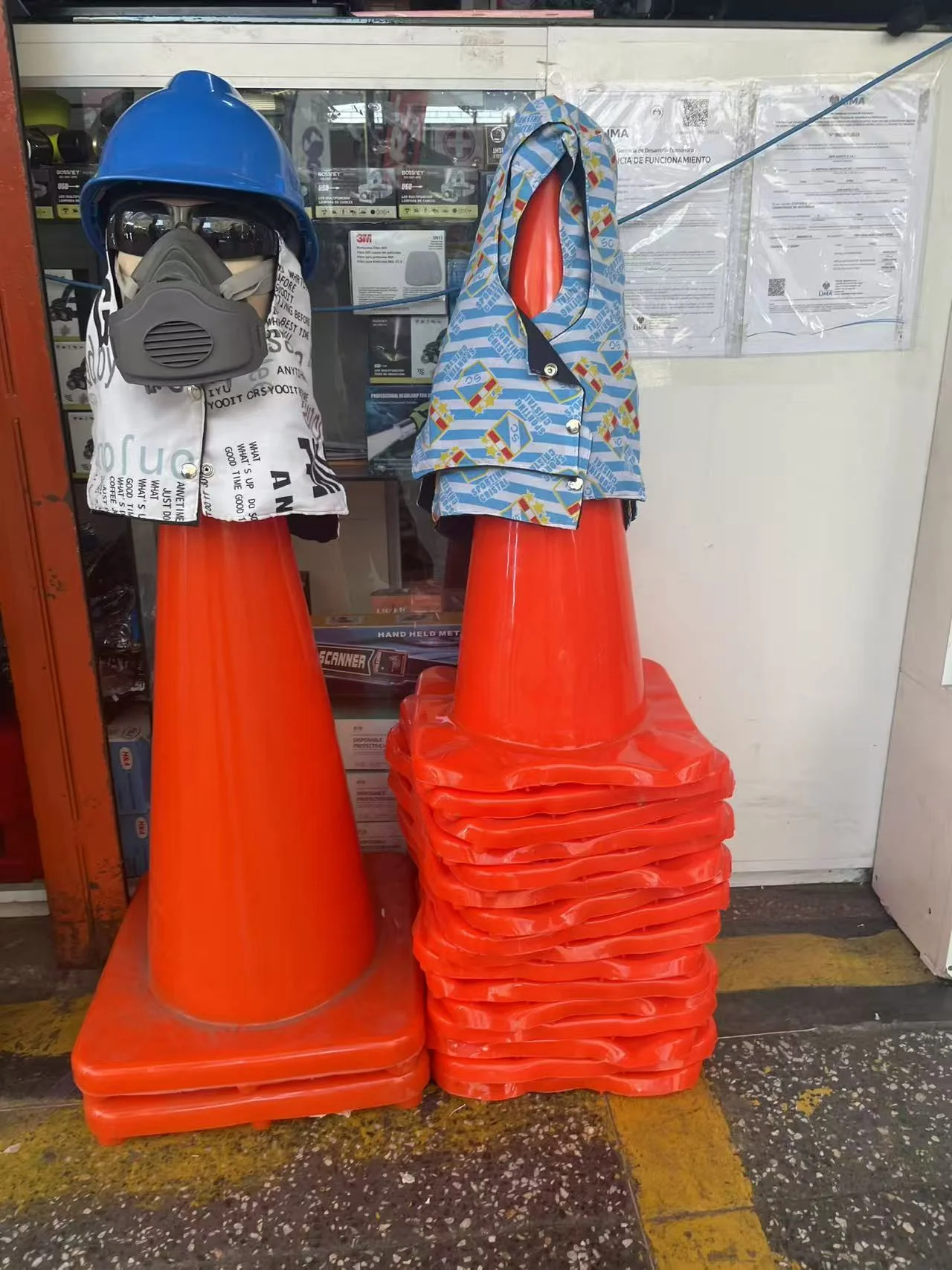
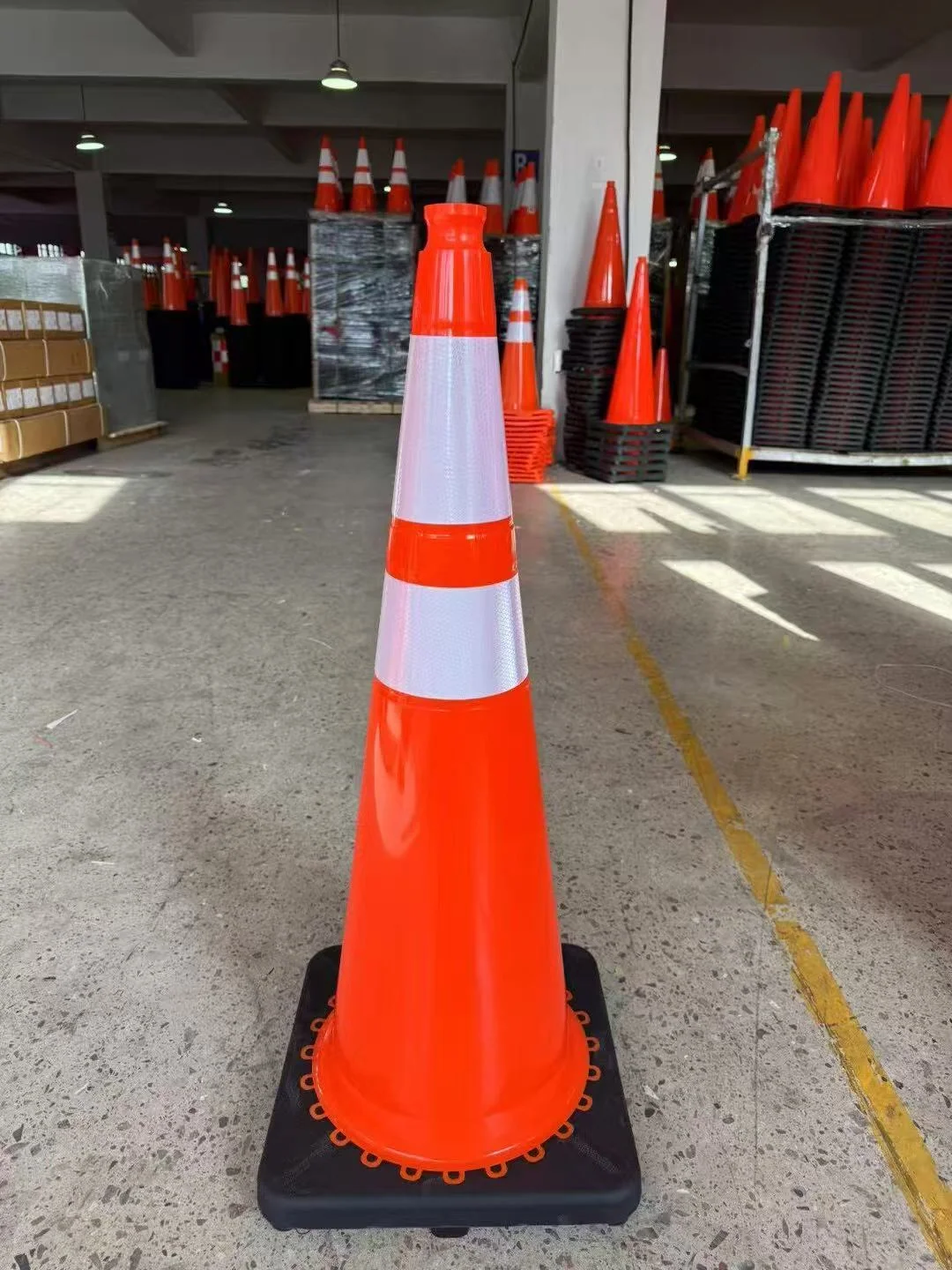
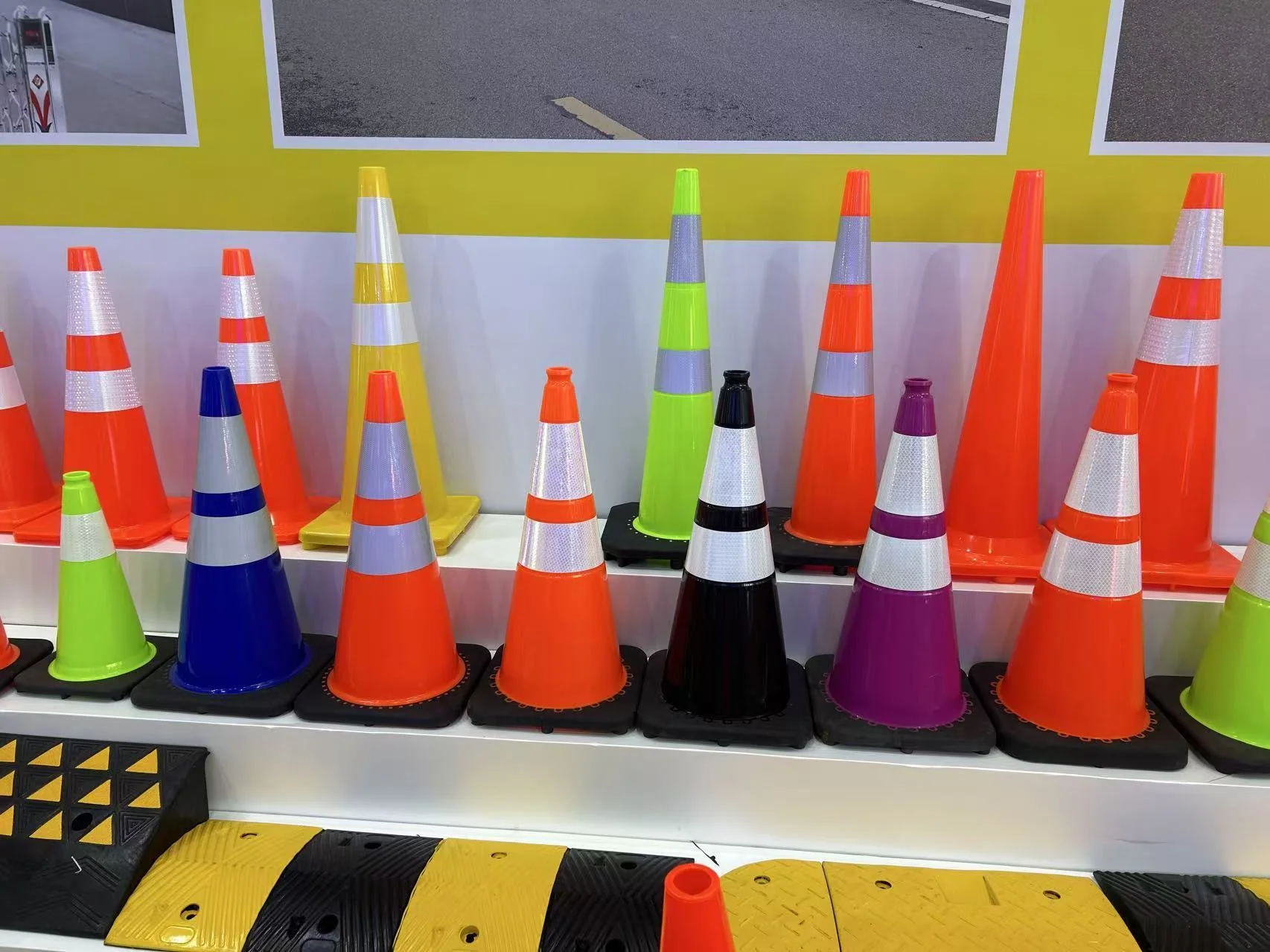
This is poor-quality traffic cones
CONTACT US
 Sales manager:Faye
 TEL: 008613182944931
 WhatsApp: 008618662728327
 EMAIL: info@etonda-trafficsafety.com
newsletter
follow us


