Abstract:
Una guía enfocada en el comprador sobre los requisitos actuales de conos de tráfico del MUTCD en EE. UU., incluyendo color, altura mínima, retrorreflexión nocturna, estabilidad y límites de verificación.
U.S. buyers often ask whether traffic cones need to meet MUTCD requirements. The answer depends on where and how the cones will be used. The Manual on Uniform Traffic Control Devices defines national standards for traffic control devices on streets, highways and site roadways open to public travel. Buyers should also check the adopting state agency, project specifications and any local requirements.
USE THE CURRENT OFFICIAL EDITION
As of 2026, the current official FHWA publication is the MUTCD 11th Edition with Revision 1, dated December 2025 and effective March 5, 2026. The official source is https://mutcd.fhwa.dot.gov/kno_11th_Editionr1.htm Requirements can change, so confirm the edition used by the responsible road authority.
CORE CONE REQUIREMENTS IN SECTION 6K.03
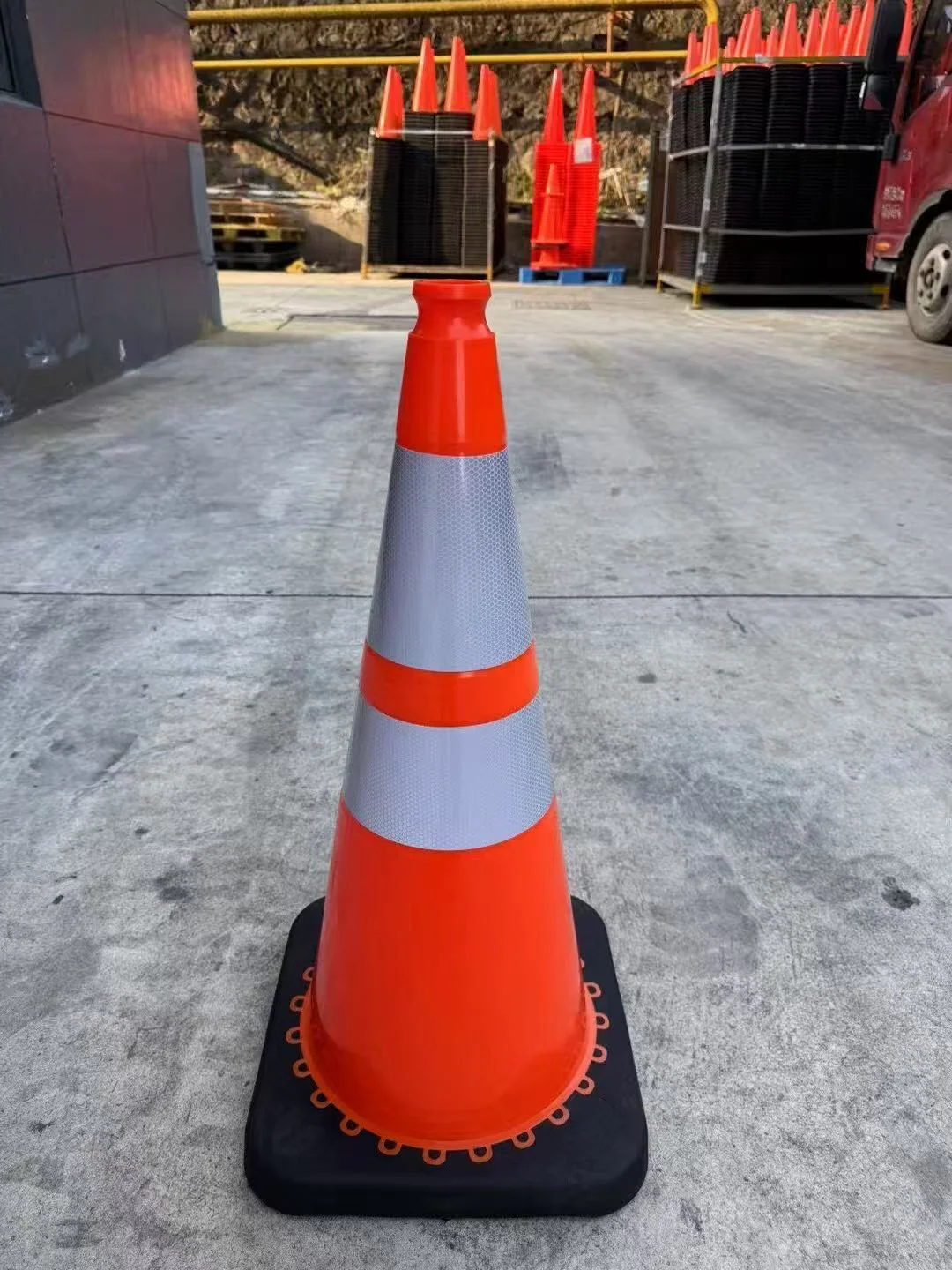
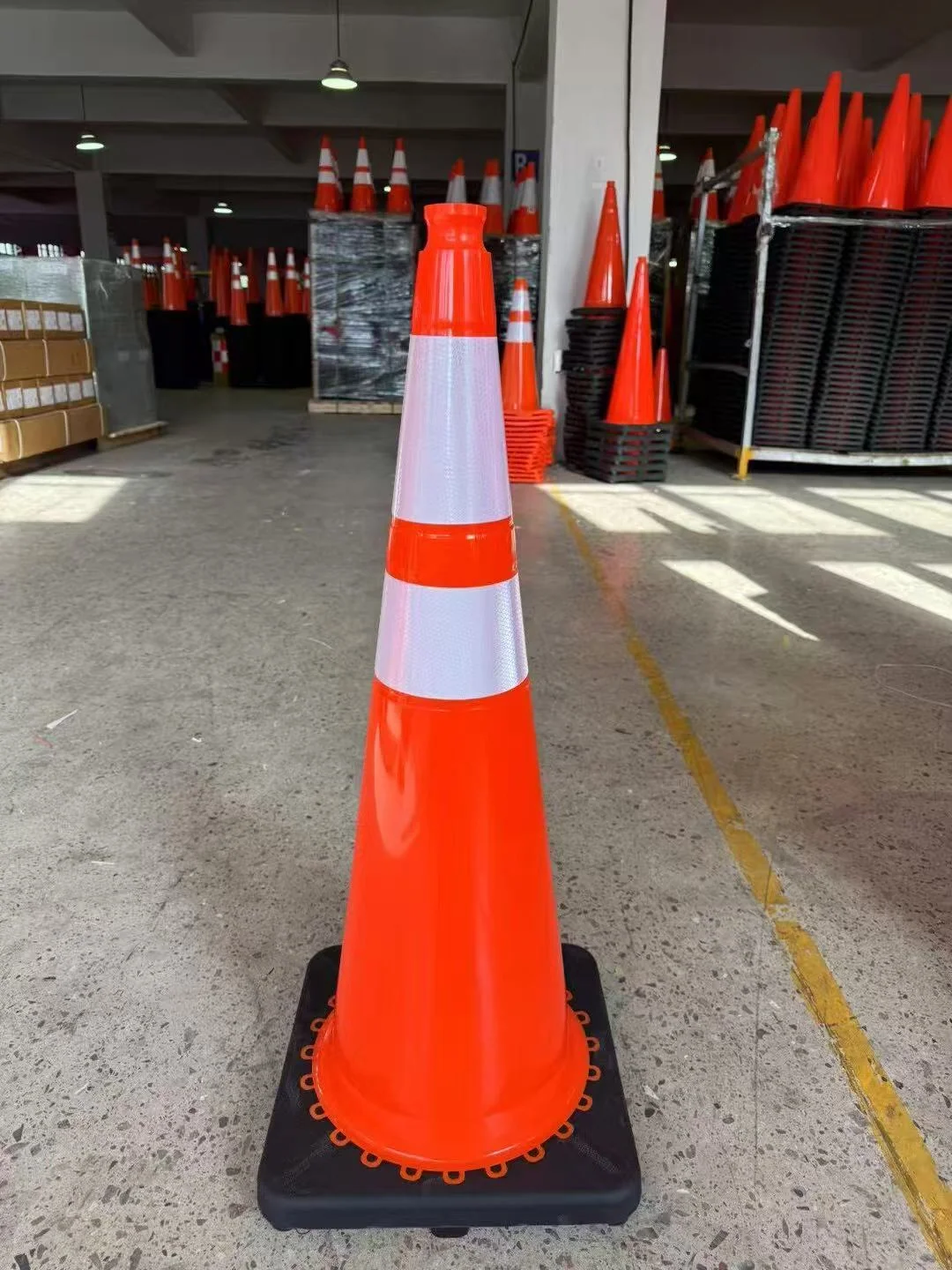
Section 6K.03 states that cones shall be predominantly orange and made from material that can be struck without damaging the impacting vehicle. For daytime use on low-speed roadways, cones shall be at least 18 inches high. For freeways and other high-speed highways, at night on all highways, or when more conspicuous guidance is needed, cones shall be at least 28 inches high.
NIGHTTIME RETROREFLECTION
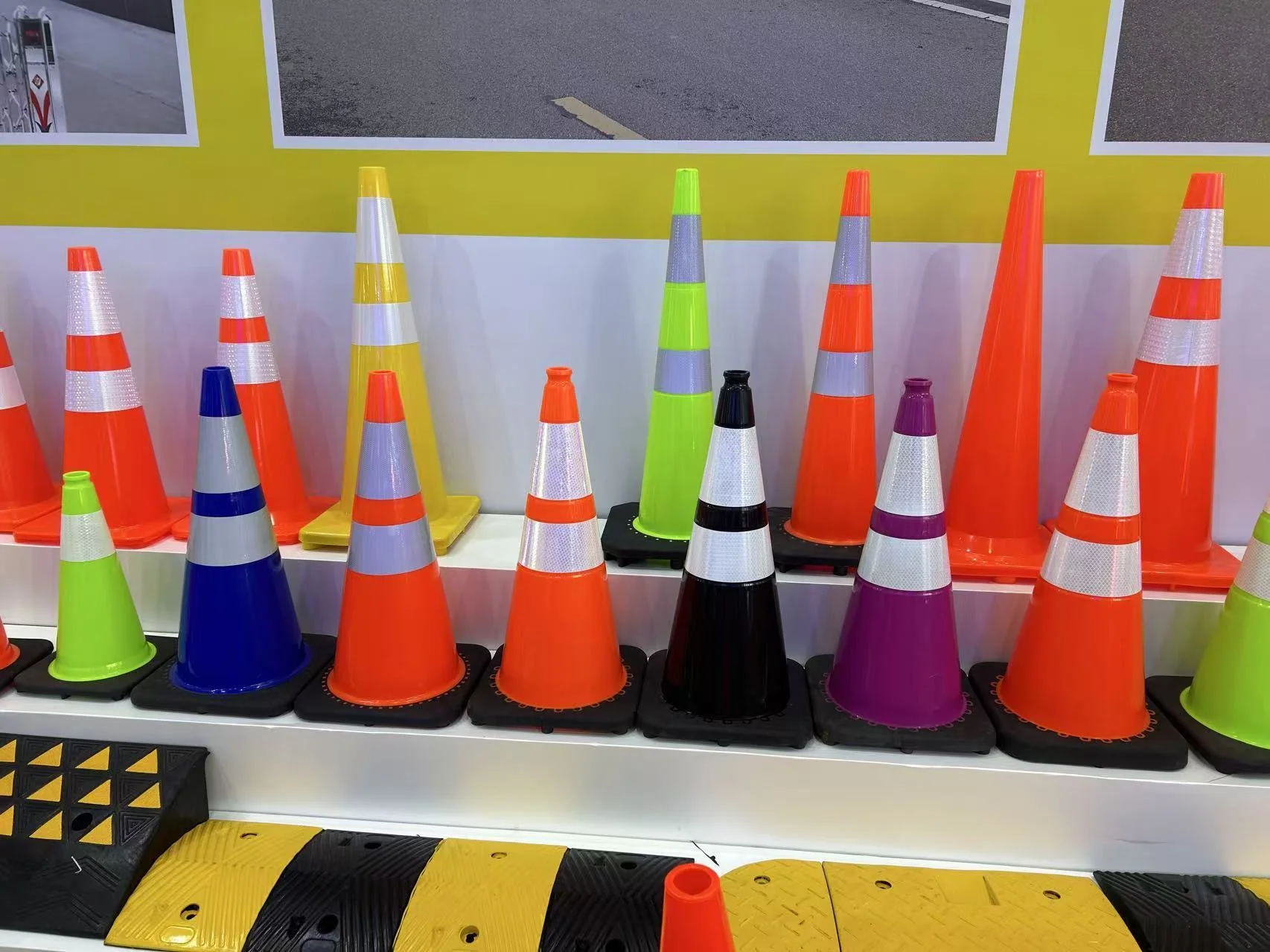
For nighttime use, cones must be retroreflectorized or equipped with lighting devices for maximum visibility. For cones 28 to 36 inches high, the MUTCD specifies a 6-inch white band located 3 to 4 inches from the top plus an additional 4-inch white band about 2 inches below it. Cones over 36 inches use alternating orange and white horizontal retroreflective stripes under the detailed Section 6K.03 rules.
STABILITY AND BALLAST
The MUTCD guidance says steps should be taken to minimize cones being blown over or displaced by wind or moving traffic. It allows cones to be doubled to increase weight and notes weighted bases or ballast options. Ballast should be limited to the amount needed. The selected weight therefore depends on the deployment, not only cone height.
WHY SIZE ALONE DOES NOT PROVE COMPLIANCE
A product should not be described as MUTCD compliant based only on a 28-inch label. Buyers must verify actual height, color, crash-safe material, reflective-band dimensions and placement, application, stability and the requirements of the purchasing agency. Project specifications may be stricter than the general MUTCD text.
METRIC MODEL CHECKS
Nominal metric sizes need exact conversion and tolerance review. For example, 700 mm is about 27.6 inches, which is below 28 inches, while 750 mm is about 29.5 inches. A model name is not a substitute for measured finished-product data. Confirm actual dimensions and tolerances before approval.
IMPORTER DOCUMENT CHECKLIST
Request a model-level specification sheet, measured height and weight, base dimensions, body material and color, reflective-band width and position, reflective material data, sample approval and inspection plan. Keep the project or agency requirement with the purchase order.
PRODUCT SELECTION
Compare model dimensions and reflective layouts at https://www.etonda-trafficsafety.com/product/info/1.html and review the broader U.S. buyer guide at https://www.etonda-trafficsafety.com/xwzx/info/7.html For a quotation, provide the intended roadway, operating speed, day or night use, required height, reflective specification, quantity and destination at https://www.etonda-trafficsafety.com/help/contact.html
This article is a procurement guide, not legal or engineering advice. The responsible agency and qualified traffic-control professionals should approve the final device and deployment plan.


 Inglés
 Gerente de ventas:Faye
 TEL: 008613182944931
 Traduce este texto del sitio web de productos de seguridad vial: WhatsApp: 008618662728327
 CORREO ELECTRÓNICO: info@etonda-trafficsafety.com


