Abstract:
Planifique el tiempo de aprovisionamiento del cono de tráfico desde la aprobación de la muestra y producción hasta la inspección, flete marítimo y entrega en destino.
The total time for a traffic cone order from China includes more than factory production. Importers should plan sample approval, material preparation, manufacturing, inspection, export handling, international transport and destination clearance as separate stages.
1. SPECIFICATION AND QUOTATION
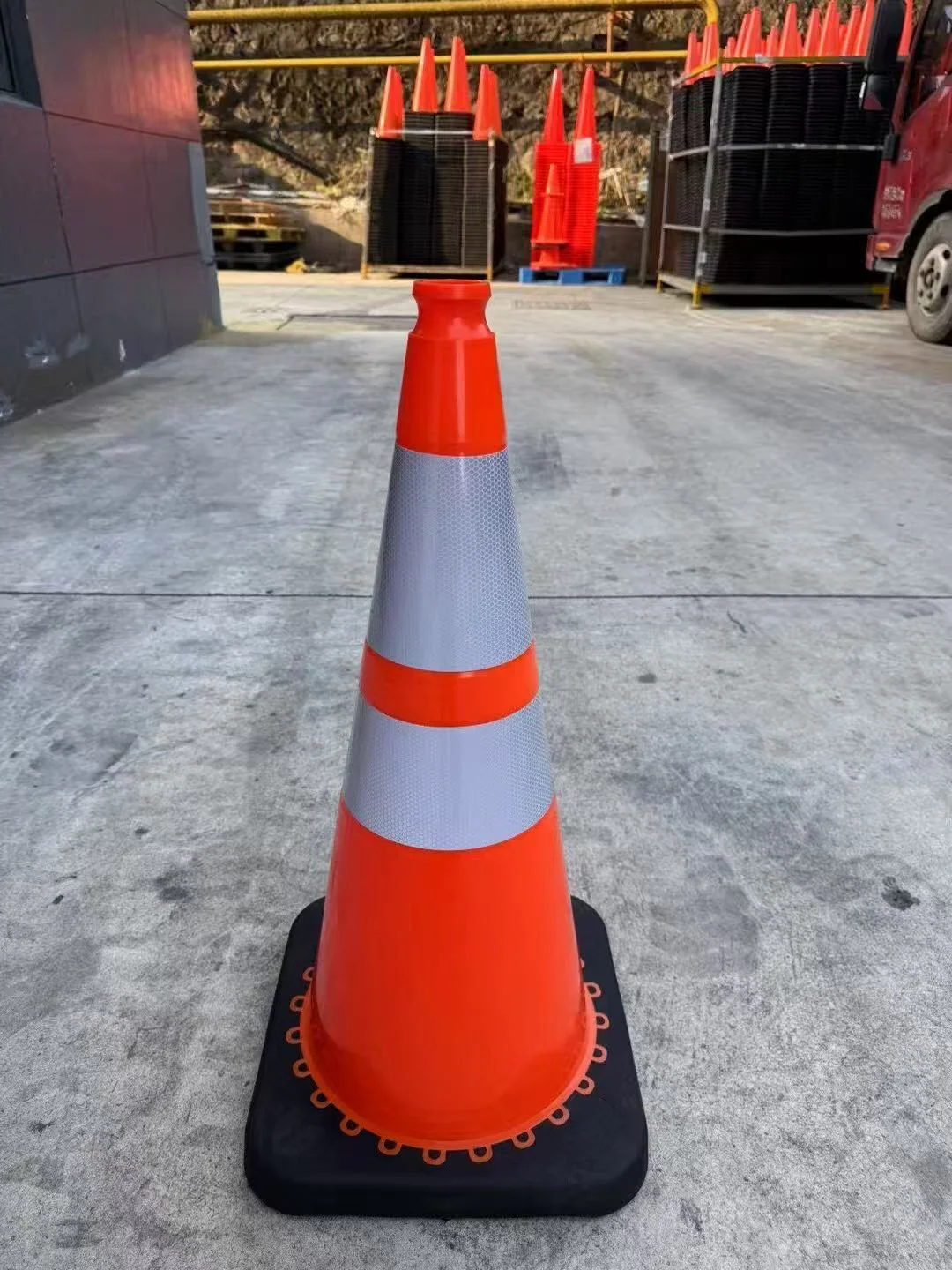
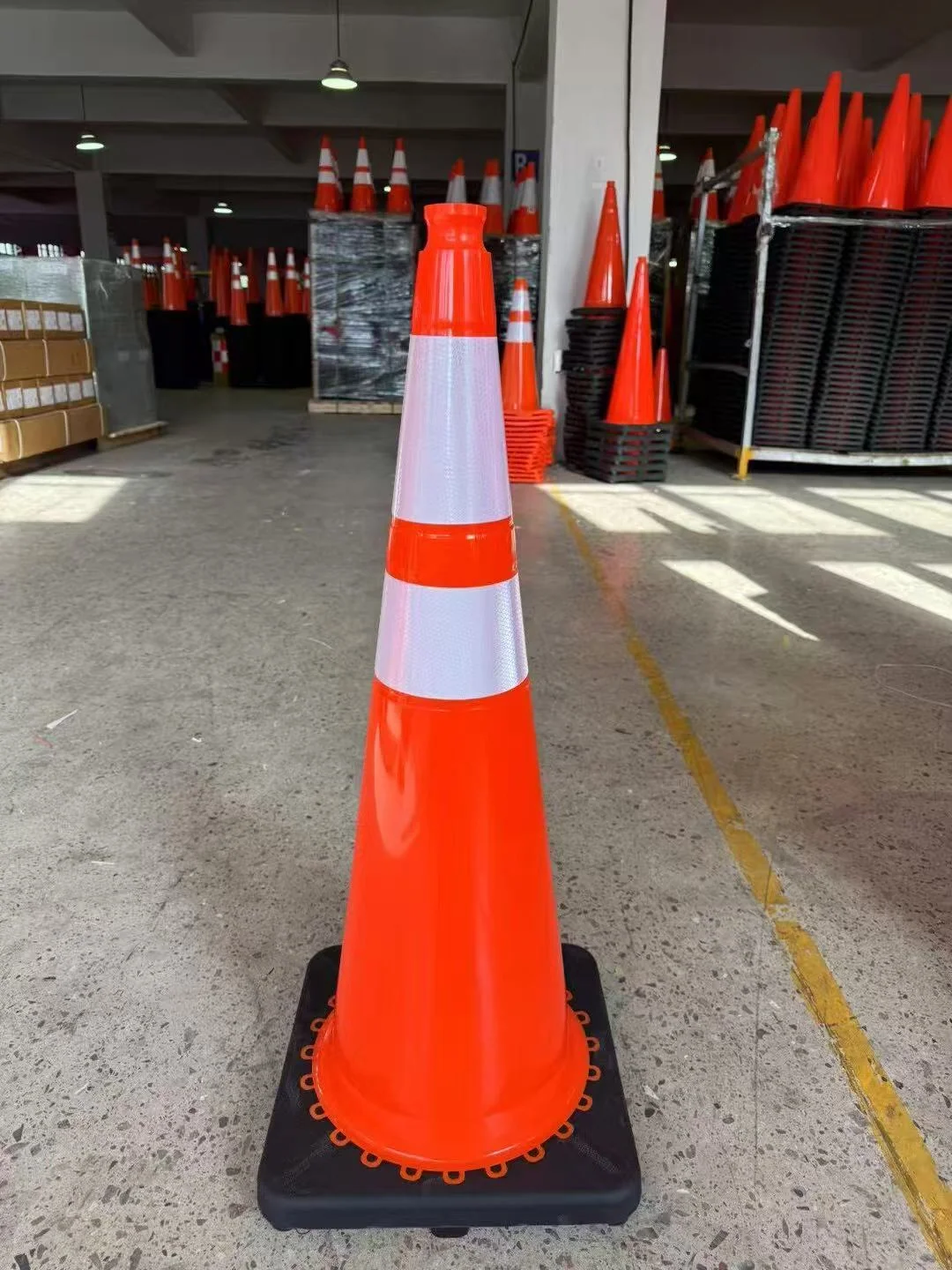
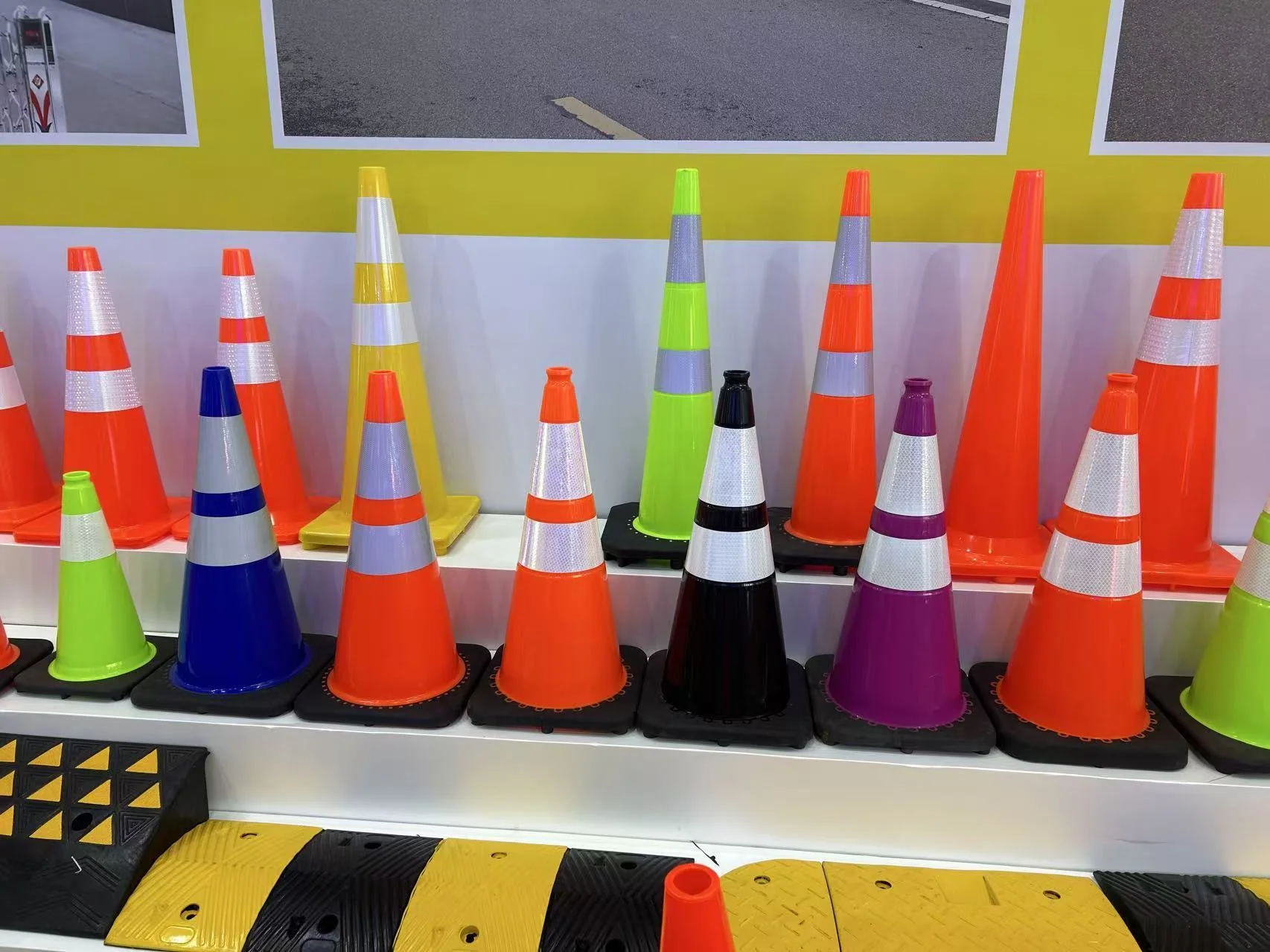
Lead time starts only after the model, weight, base size, body color, reflective layout, packing, quantity and commercial terms are clear. Missing details cause repeated quotations and can delay sample preparation.
2. SAMPLE AND ARTWORK APPROVAL
Standard samples may be available quickly, while custom colors, logos or reflective materials take longer. Record the approved sample and written specification. Production should not begin until artwork, color reference and packing marks are approved.
3. MATERIAL AND PRODUCTION PLANNING
A standard model made from available material can enter the schedule sooner than a custom run. Production time changes with order quantity, model mix, material availability, seasonal workload and whether new tooling is required. Ask for a realistic production window after deposit and final approvals, not an unsupported promise.
4. INSPECTION AND CORRECTION BUFFER
Allow time for first-piece checks, in-process control and pre-shipment inspection. Dimensional, weight, color, reflective-band and packing checks should be defined before production. If a verified issue is found, correction and reinspection need time; removing this buffer can create a larger shipping problem.
5. EXPORT AND OCEAN FREIGHT
After production, time is needed for booking, container loading, customs documentation and port cutoff. Ocean transit depends on origin, destination, route, carrier schedule, transshipment and congestion. A sailing estimate is not a guaranteed arrival date.
6. DESTINATION CLEARANCE AND DELIVERY
Import customs, duty payment, inspections, port handling and inland delivery continue after vessel arrival. Buyers should confirm required documents and local compliance requirements before shipment.
HOW TO BUILD A PRACTICAL TIMELINE
Work backward from the required delivery date. Include approval days, production window, inspection buffer, booking and port handling, estimated transit, clearance and inland delivery. Add contingency for holidays, peak season, weather and transshipment.
QUESTIONS TO ASK THE SUPPLIER
Confirm when lead time begins, which approvals are required, whether material is available, the expected production window, inspection date, packing completion date and earliest feasible sailing. Request updates at approval, production, inspection and loading milestones.
Compare product options at https://www.etonda-trafficsafety.com/product/info/1.html and container planning at https://www.etonda-trafficsafety.com/xwzx/info/11.html For a schedule based on your model, quantity and destination, contact https://www.etonda-trafficsafety.com/help/contact.html


 Inglés
 Gerente de ventas:Faye
 TEL: 008613182944931
 Traduce este texto del sitio web de productos de seguridad vial: WhatsApp: 008618662728327
 CORREO ELECTRÓNICO: info@etonda-trafficsafety.com


