Cómo verificar un proveedor fiable de conos de tráfico en China
Fecha de lanzamiento:30.07.2023
Abstract:
Una lista de verificación práctica de diligencia debida para importadores que comparan proveedores de conos de tráfico: especificaciones, muestras, evidencia de pruebas, control de producción, embalaje, carga y términos comerciales.
Choosing a traffic cone supplier is not only a price comparison. Importers need to confirm that the quoted model, materials, weight, reflective bands, packing and loading plan can be repeated in mass production. The checklist below helps purchasing teams compare suppliers on verifiable evidence.
START WITH A COMPLETE PRODUCT SPECIFICATION
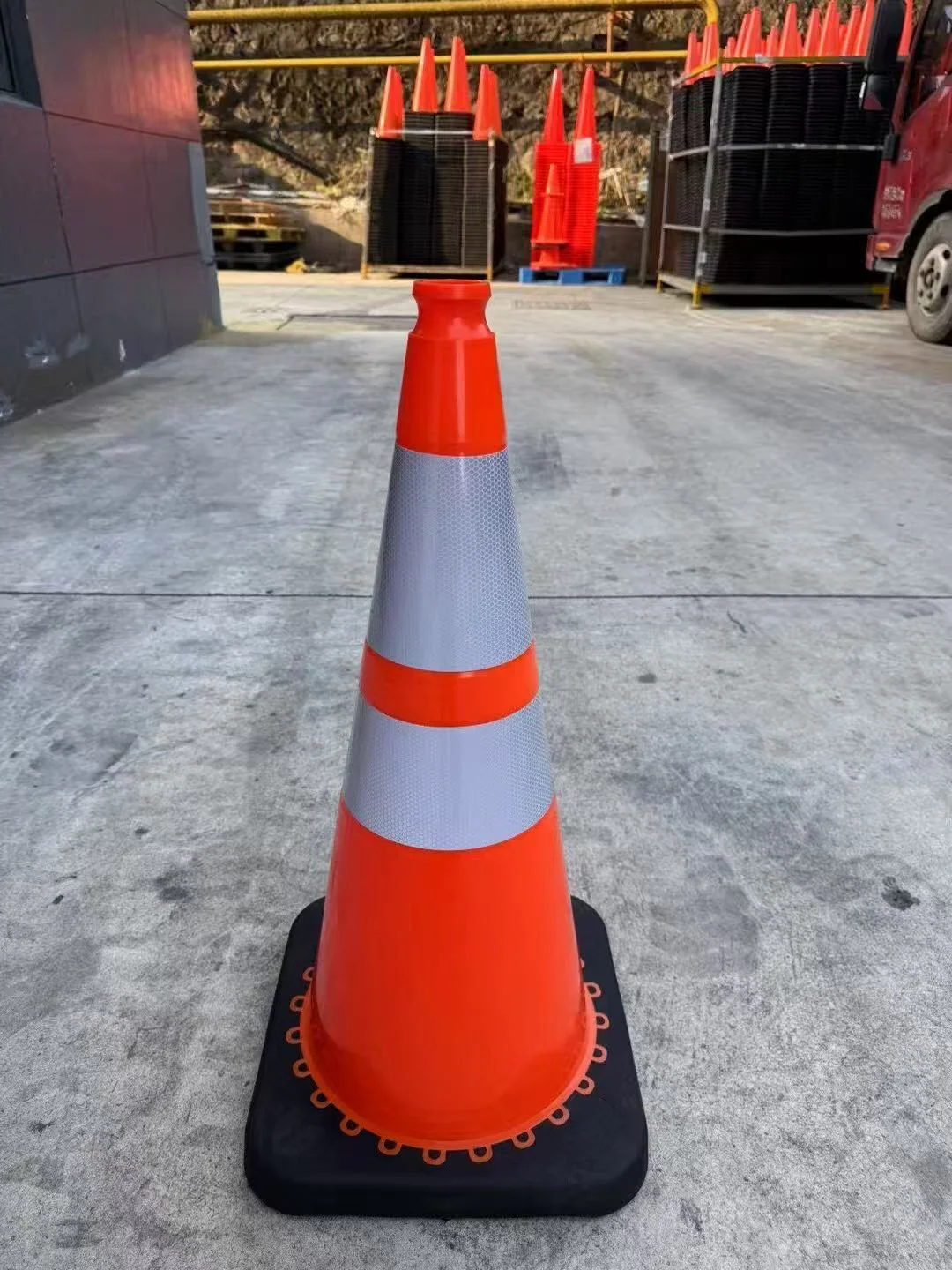
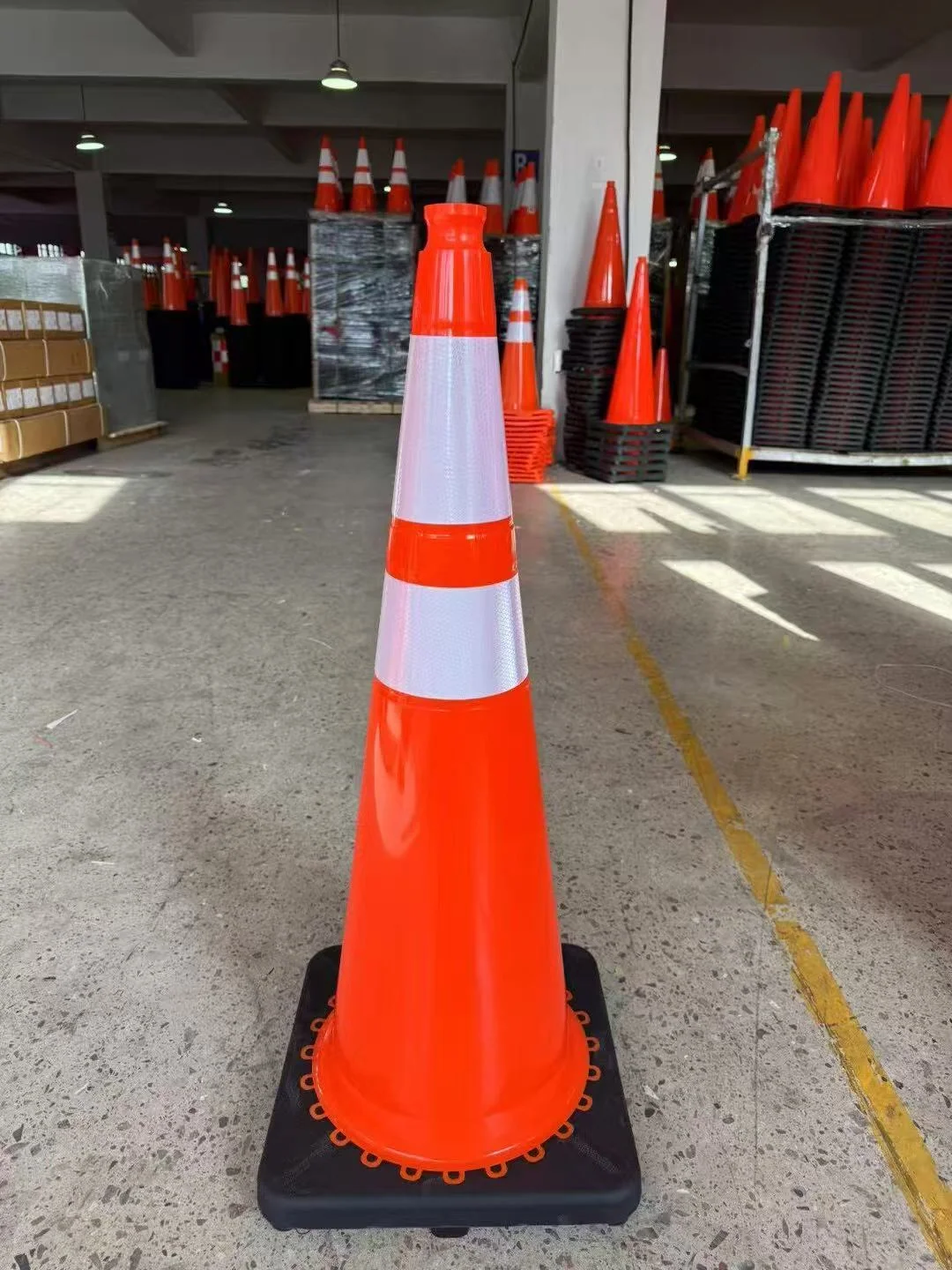
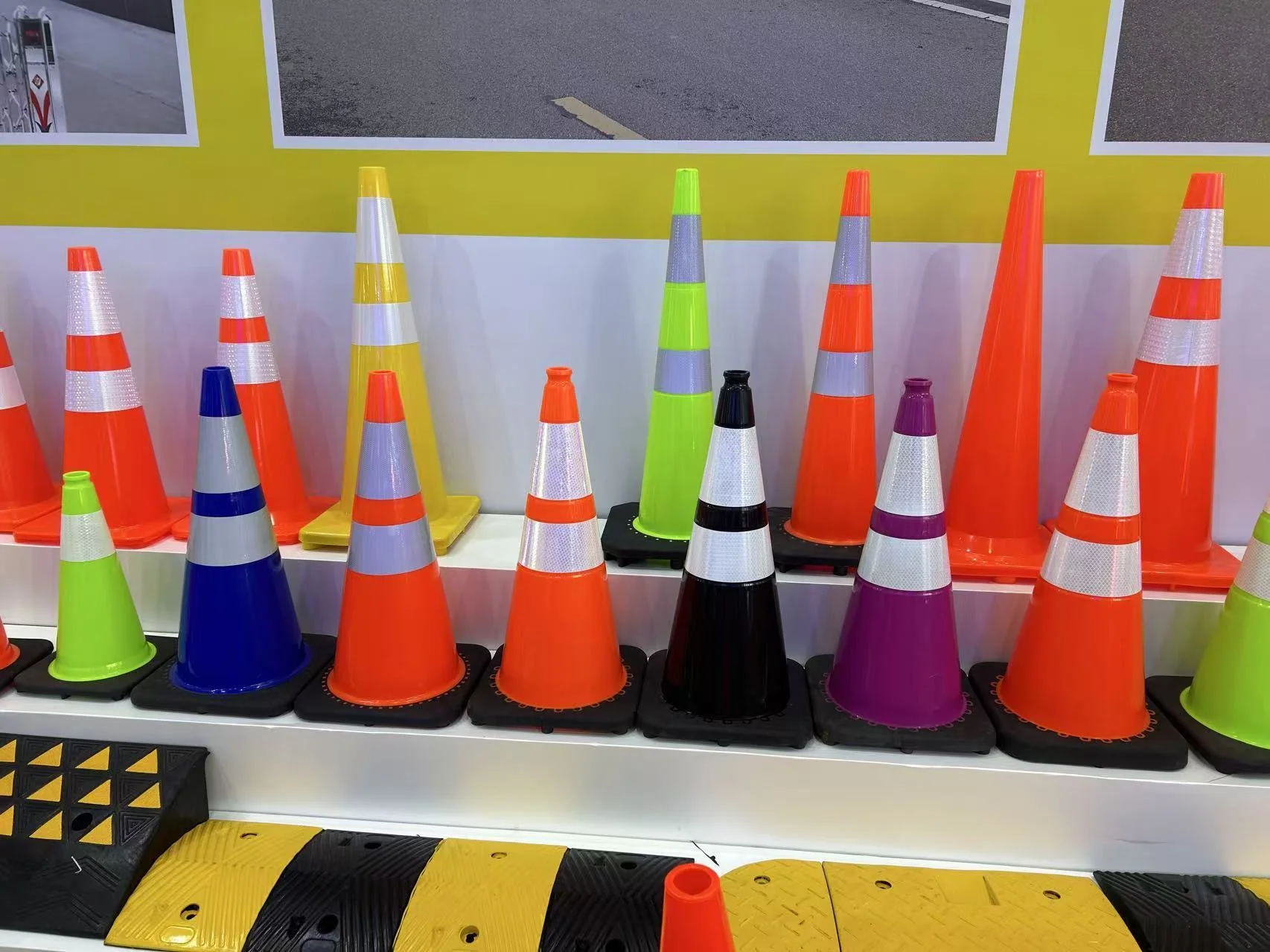
Ask each supplier to quote against the same specification: cone height, total product weight, base dimensions, body material, color, reflective-band width and grade, packing method, quantity and destination. A quotation without these details is difficult to compare and can hide substitutions. Compare model-level data at https://www.etonda-trafficsafety.com/product/info/1.html
VERIFY THE BUSINESS AND PRODUCT SCOPE
Confirm the legal company name and business address on commercial documents. Check whether the supplier regularly handles the cone types and order volume you need. Ask who controls production, inspection, export documents and after-sales communication. Do not rely on a factory label alone; evaluate the evidence behind the offer.
APPROVE A REPRESENTATIVE SAMPLE
The approved sample should match the written specification. Record the model, height, weight, base size, color, reflective layout and packaging. For repeat orders, keep one signed or photographed reference sample so both sides can identify changes.
ASK FOR RELEVANT TEST EVIDENCE
Useful evidence depends on the application and market. Buyers may request dimensional and weight checks, recovery after impact, low-temperature flexibility, heat exposure, UV aging, color stability, reflective-performance data and packaging tests. A report is valuable only when the sample identity, test method, result and date can be linked to the product being purchased. See https://www.etonda-trafficsafety.com/xwzx/info/8.html and https://www.etonda-trafficsafety.com/xwzx/info/10.html
REVIEW MASS-PRODUCTION CONTROLS
Agree on incoming-material checks, first-piece approval, in-process inspection and pre-shipment inspection. Define acceptable tolerances for weight and dimensions. For reflective cones, also specify band position, adhesion and surface condition. Randomly selected finished units should be compared with the approved sample.
CONFIRM MOQ, PACKING AND CONTAINER LOADING
MOQ can change with the model, standard or custom color, reflective material, logo process and packing. Ask for pieces per pallet or bundle, pallet size, gross weight and estimated 20GP or 40HQ loading. Container figures are planning estimates until the final packing method and payload limits are confirmed. See https://www.etonda-trafficsafety.com/xwzx/info/11.html
PUT THE COMMERCIAL TERMS IN WRITING
Record the unit price and Incoterm, approved specifications and tolerances, sample approval, lead time, inspection method, packing, shipping documents and procedure for handling verified defects.
WARNING SIGNS TO INVESTIGATE
Be cautious when a supplier avoids model-level data, offers unusually low prices without explaining the specification, refuses sample approval, provides unrelated certificates, changes terms after deposit, or cannot explain packing and loading. One warning sign is not proof of a problem, but it should trigger deeper verification.
SEND A COMPARABLE RFQ
Send the required model or height, weight range, reflective layout, quantity, destination port, packing preference, target market and any testing or customization requirements. Contact Etonda at https://www.etonda-trafficsafety.com/help/contact.html for a model-level quotation and loading estimate.


 Inglés
 Gerente de ventas:Faye
 TEL: 008613182944931
 Traduce este texto del sitio web de productos de seguridad vial: WhatsApp: 008618662728327
 CORREO ELECTRÓNICO: info@etonda-trafficsafety.com


